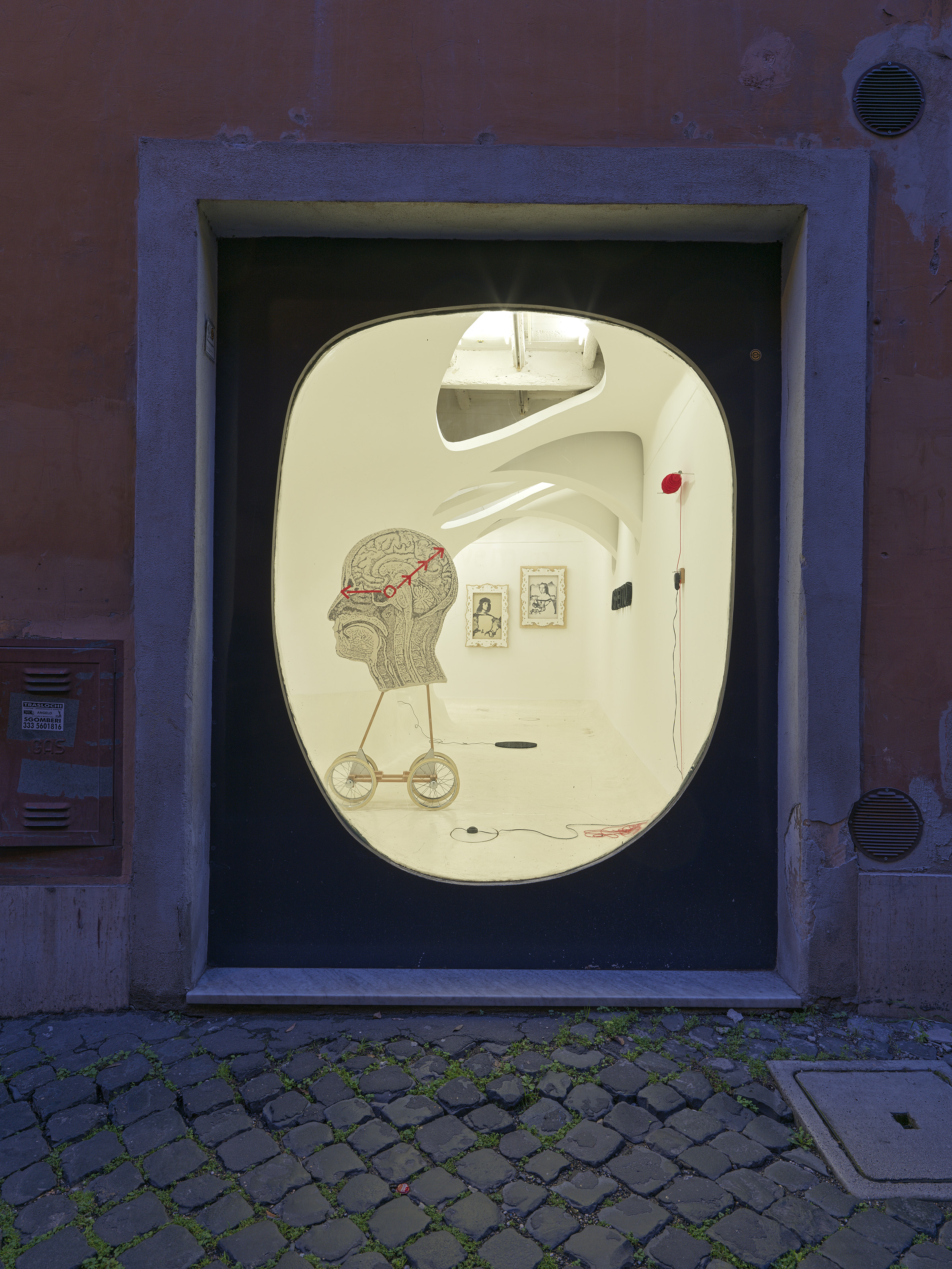
I deny the Ego, therefore I am! I deny the Ego, therefore we are!
by Anna Simone
If it is true that contemporary art strongly resembles the surprising game of turning a thought, an intuition, a concept, a fraction of pain or joy, into something material in a moment that arises suddenly, it is equally true that the immateriality of words exists to “articulate” that game, to connect the dots between the meaning of a work of art and the world, between what is unique and what points to realms of collective significance. Actually, even words can at times become a work of art. So, what meanings should we give to Marco Bernardi’s exhibition “Egonoclasm”?
To start, we might say that, in the age of art and its digital reproducibility, in the age of human and historical precipices, of the digital revolution and accelerated time, of “competitiveness” that aims to erase the mystery of art and life as creation and pleasure with the aim of turning everything into “consumer commodities” (ourselves included), in the age of “having to be” infallible at any cost, in the age of stressing to “be” oneself, examining the Ego and the cult of images becomes something essential. And not just to reflect on the time we are living in, but especially to give it new meaning; another rhythm, perspective, sound.
By moving on, with grace, from banal rhetoric on contemporary society that reduces the Ego to its mere ‘pathological’ dimension, or the meaning and influence of an image only to the cult of its serial proliferation, that in the end familiarises and anesthetises us, it becomes necessary to return to the wonder of the creative act. To accomplish this, however, one must also position oneself at another viewpoint: where stumbling, imperfection, the void, failure, the fall… are nothing but certain moments of every form of life and of every singular and collective human experience.
“Egonoclasm” is combination of Ego, meaning “I”, and iconoclasm, a term that refers back to Byzantine movements recognised by history and philosophy for having contested all the principles and beliefs that turned images into a cult by sacralizing them, something to be determined through while renouncing one’s own thought and freedoms, which were considered and persecuted as ‘heresies’. Today, however, we could easily say that through the digital revolution and “the tyranny of the algorithm”, to cite the philosopher and psychoanalyst Benasayag, everything assumes the semblance of the I-Ego, even generating worrisome fractures in the fabric of the social bond and relationships understood as care and the foundation of every society. All of this while the cult of one’s own image becomes complementary to the commercialized proliferation of so-called ‘iconic’ images directly shaped by marketing, instead of by art and the magic of the creative act.
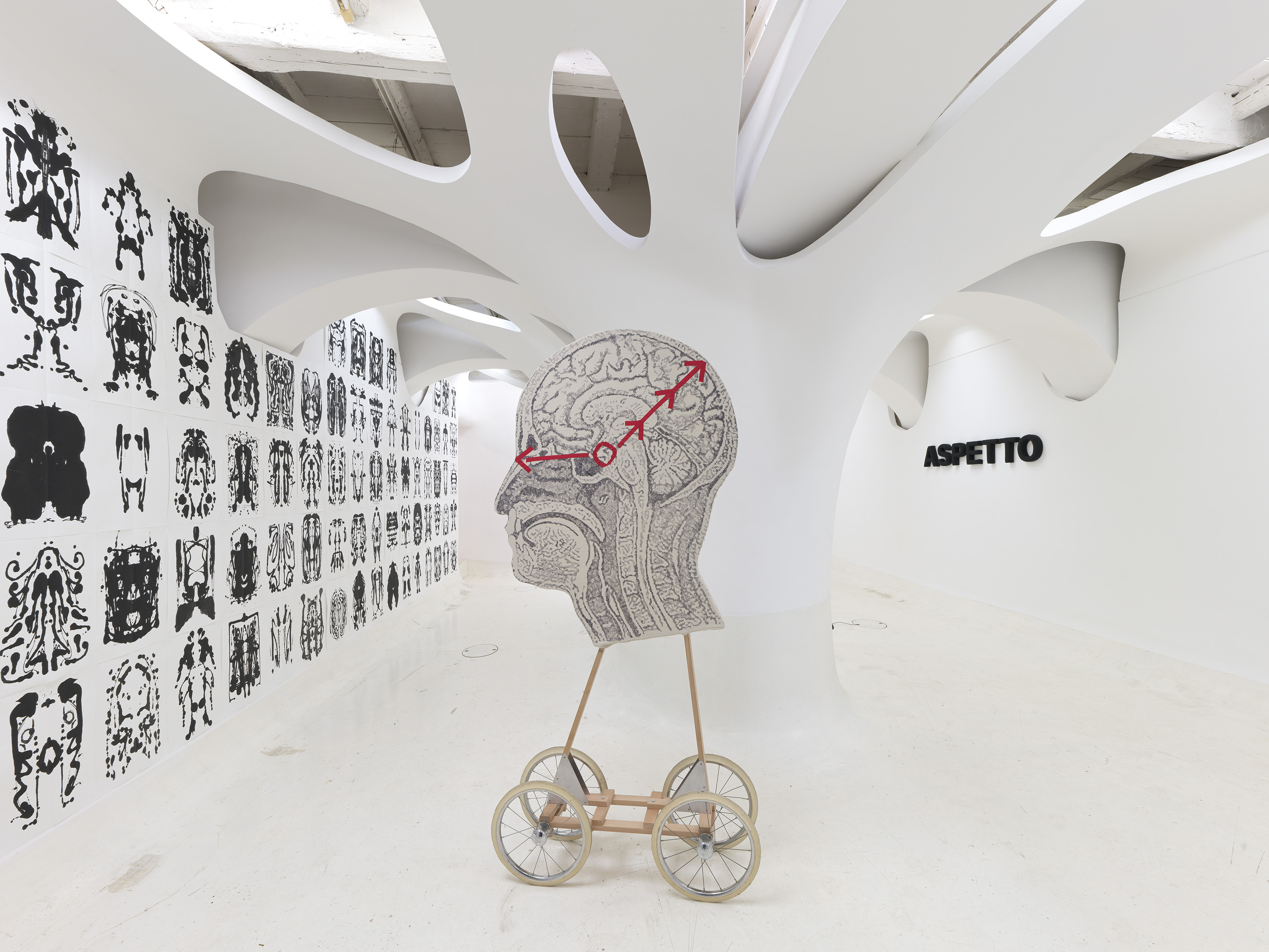
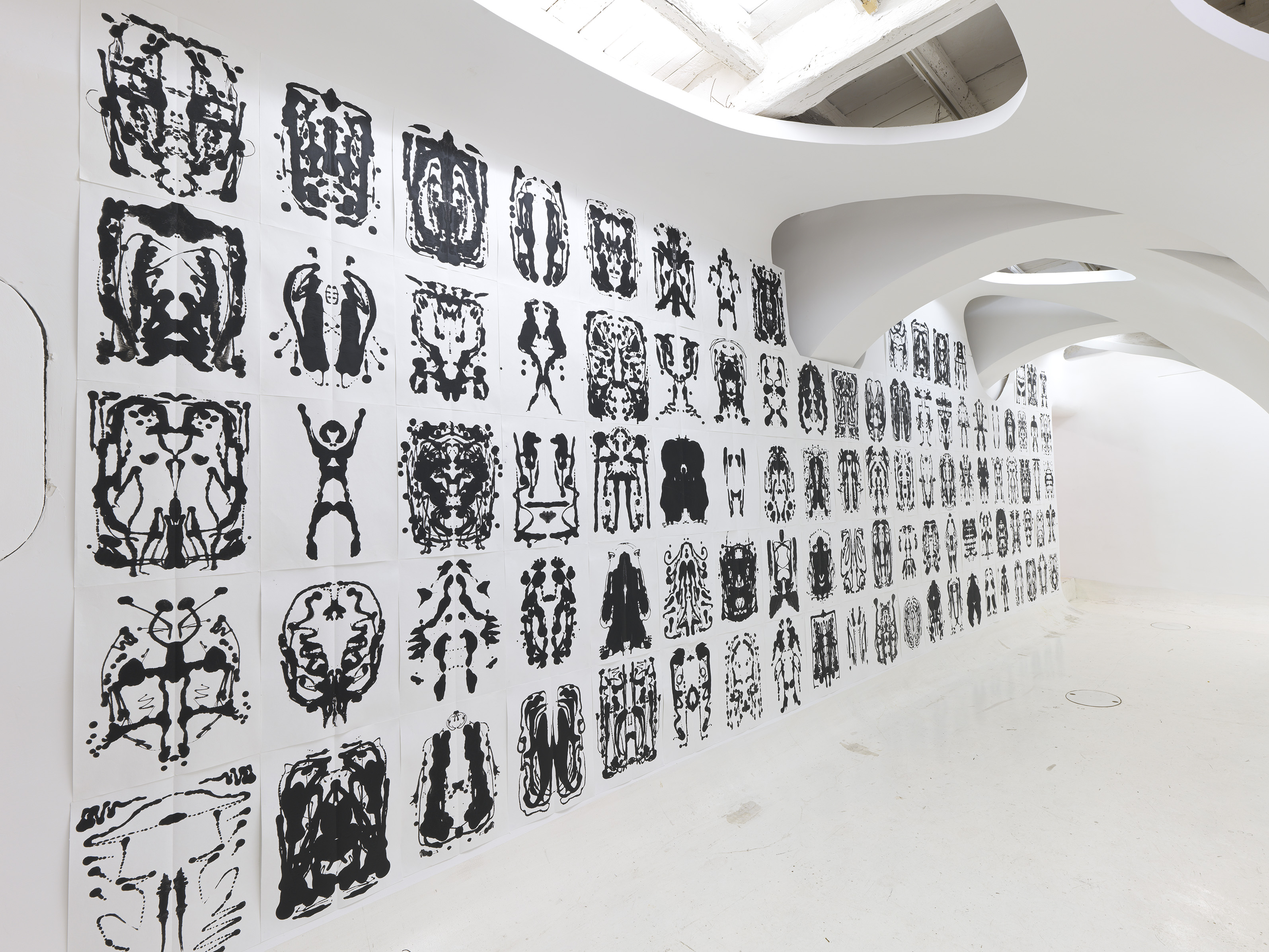
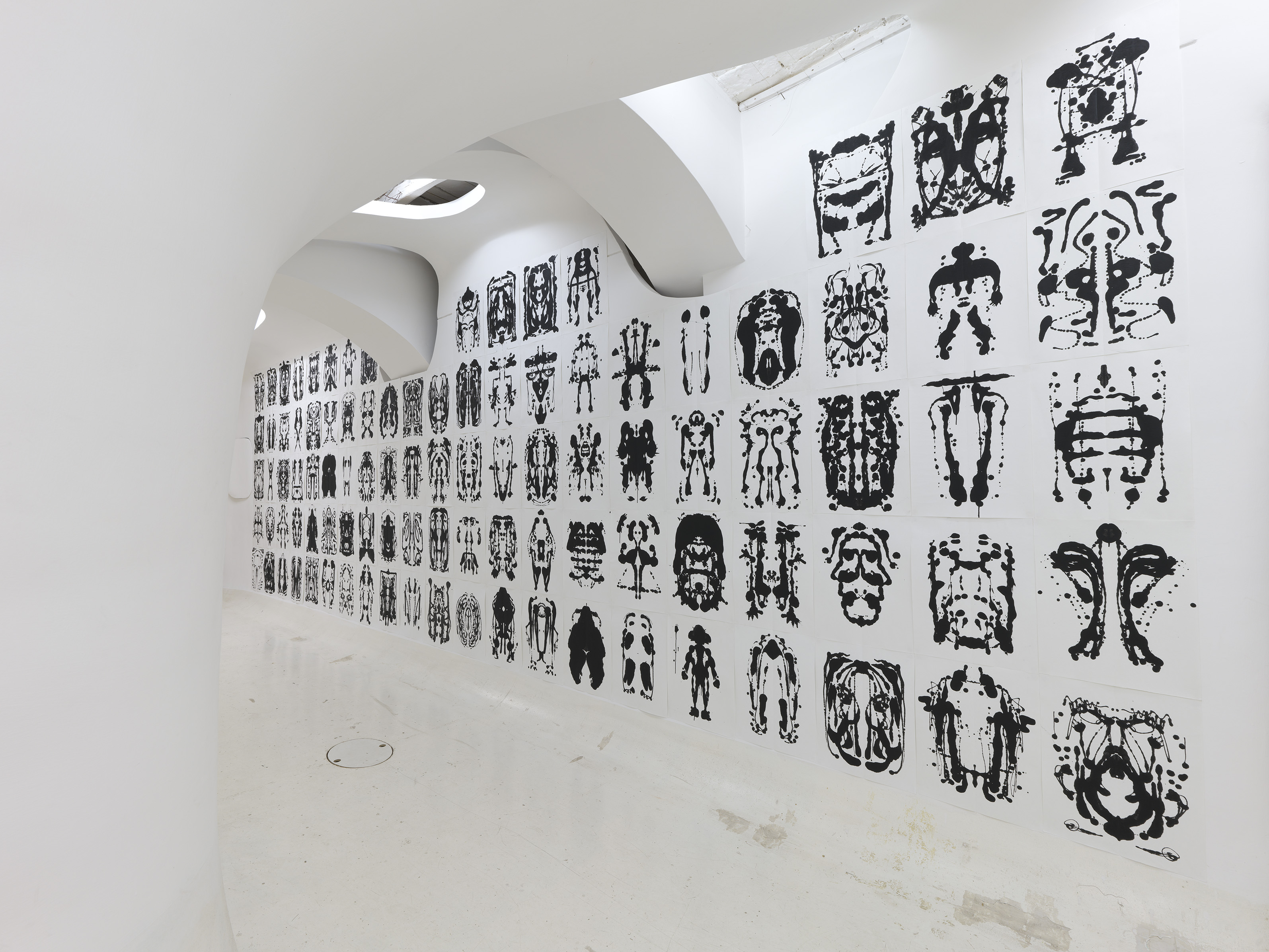
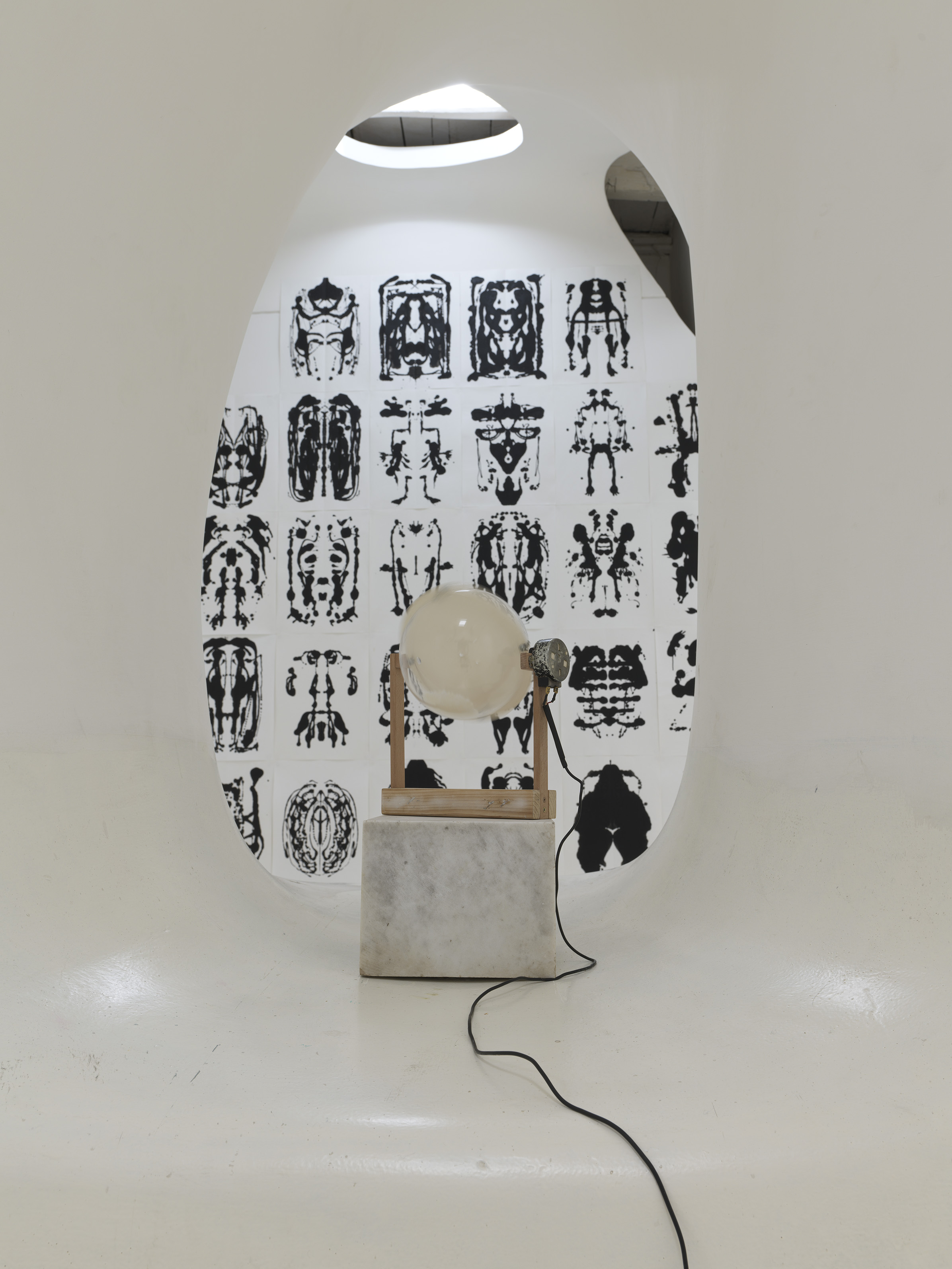
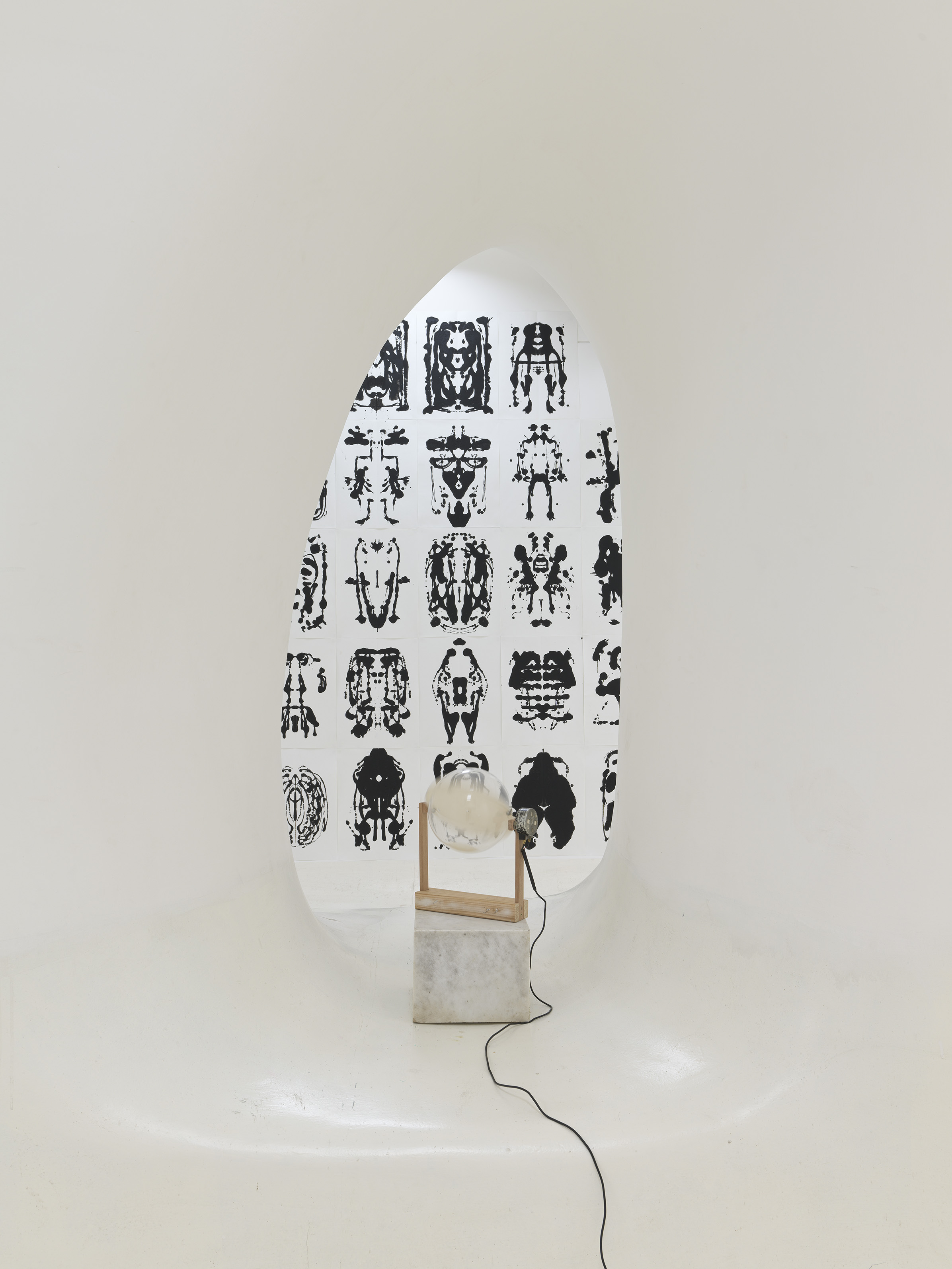
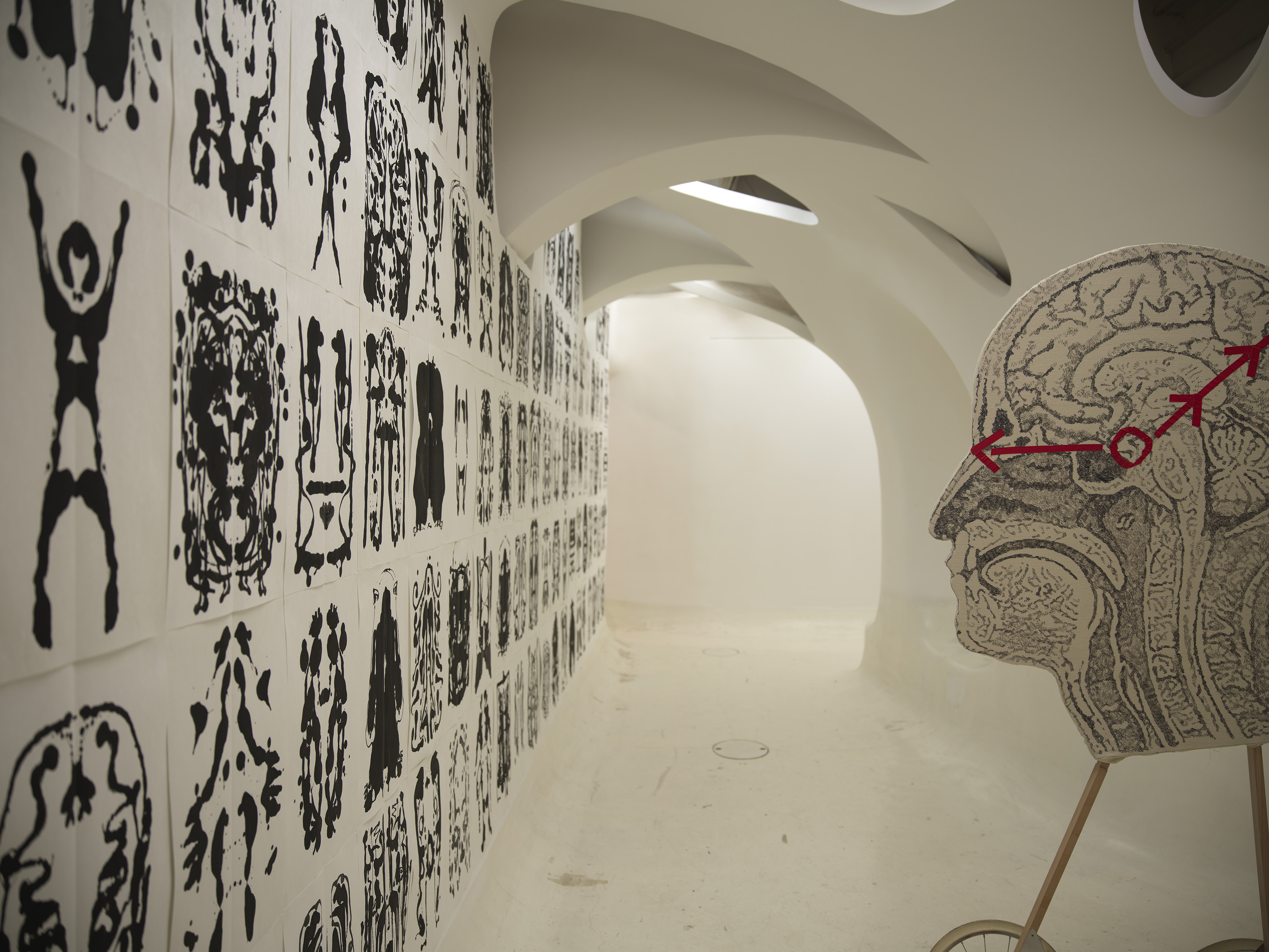
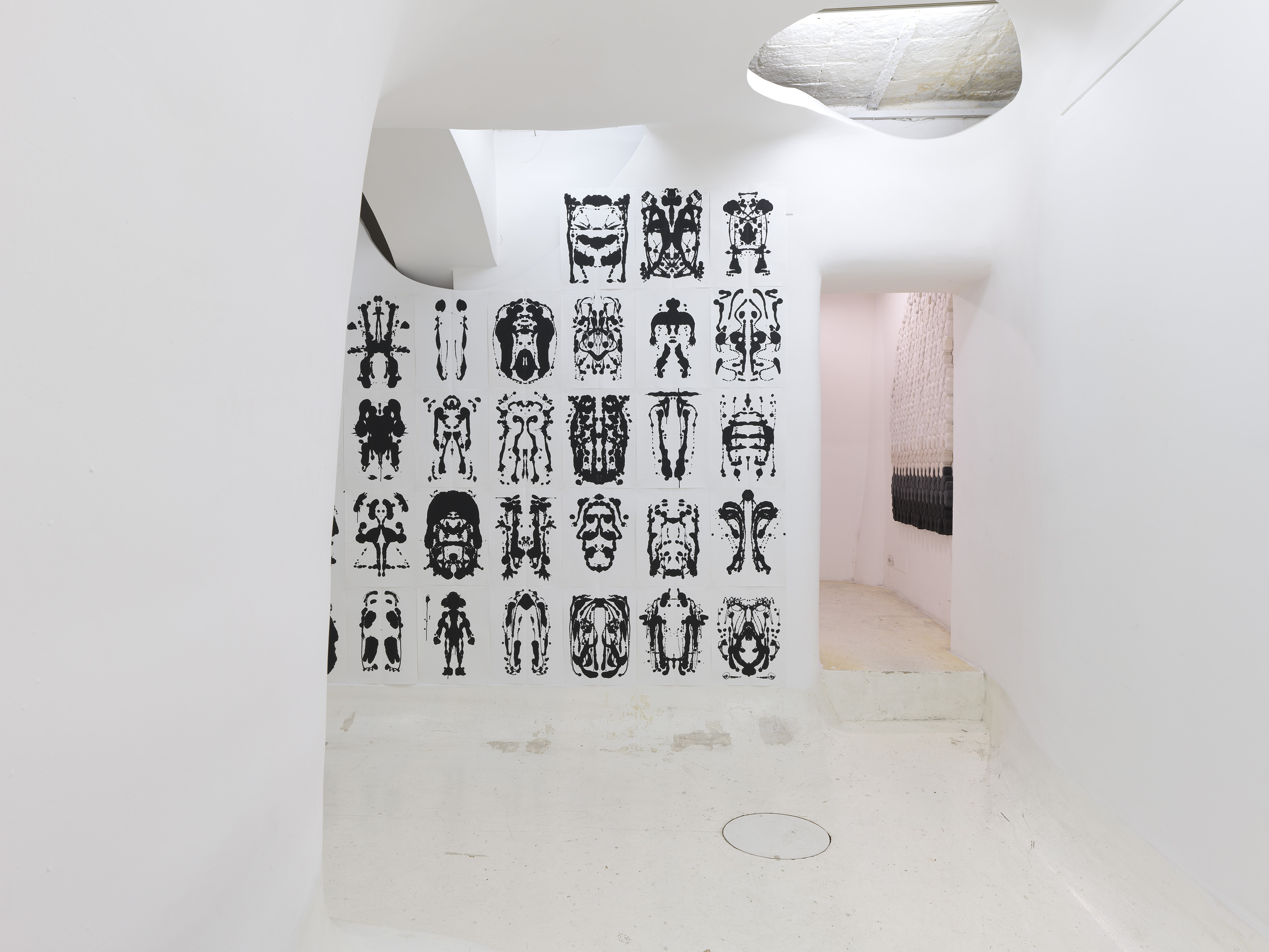
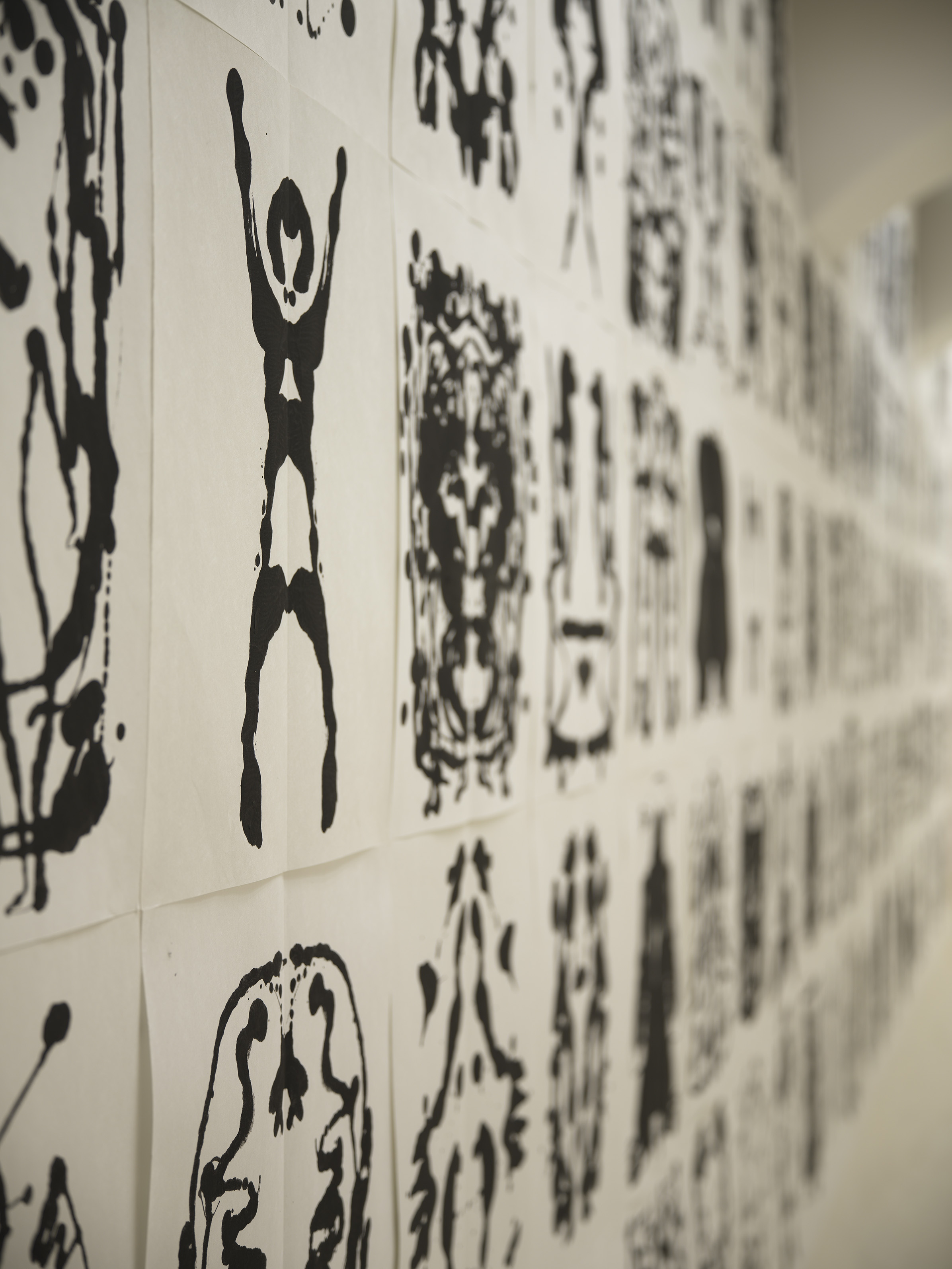
Therefore, in this exhibition, the Rorschach cards used by cognitive psychotherapists to measure our degree of mental health become an infinite proliferation of invented “un-stains” that put creativity back in the centre, rather than only the categorical imperative of “having to be” what we cannot always be or, worse, of an Ego imprisoned in its fears and its fictitious representations. A sort of journey made of self-diagnoses and social diagnostics through images that refers to a multiplicity of possible signifiers: symmetrical and asymmetrical, disjointed and rejoined, simulacral and vital, decomposed and recomposed. A multiplicity of forms that seem random without being so, an attempt to redraw a geography of the psyche and human experience by playing between the inside and outside of all living beings. Everyone, in fact, can lose themselves and find themselves again in one or more ‘un-stains’ because every existence is, fundamentally, a work of art in becoming, perpetually open.
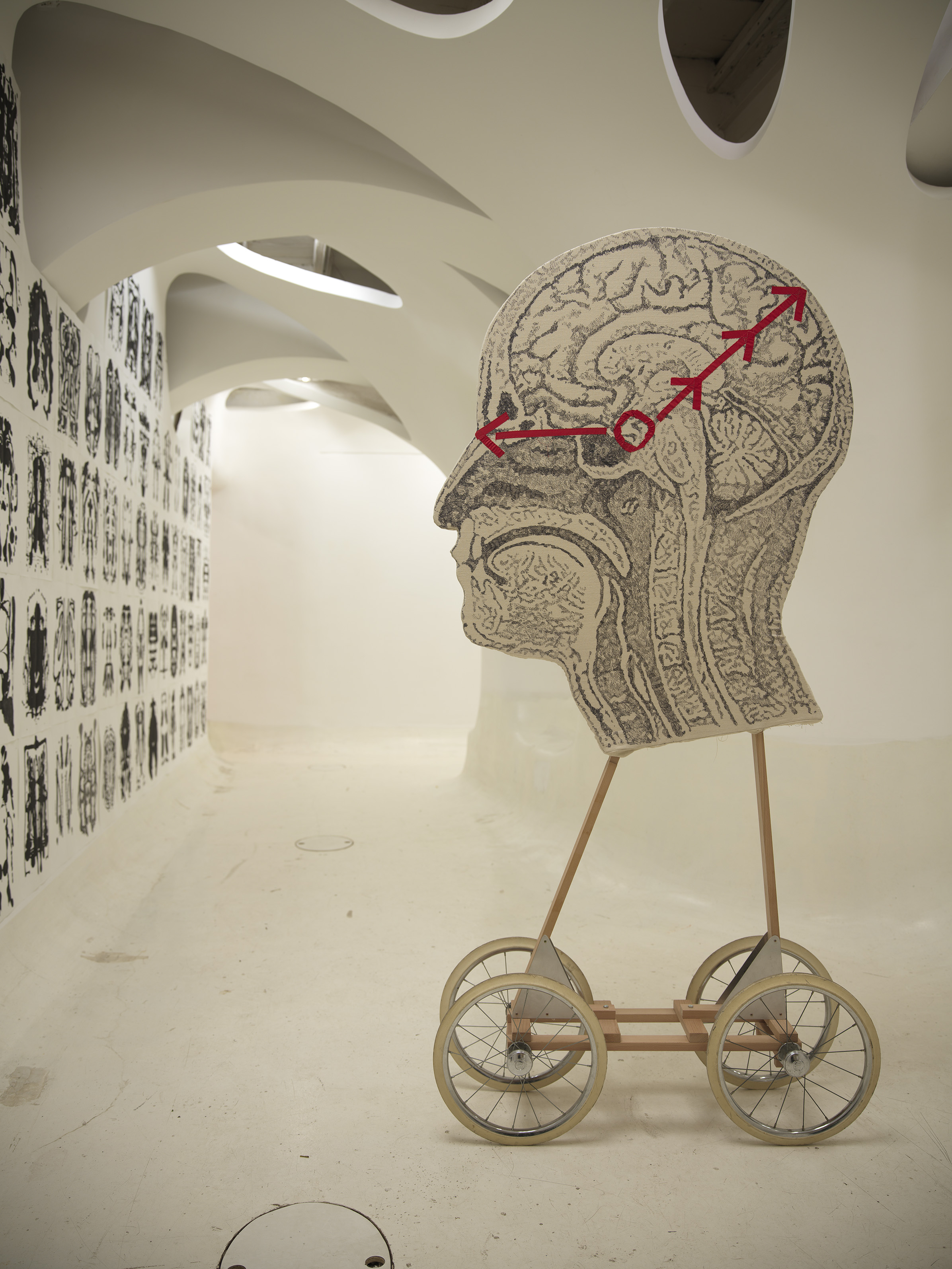
These human and non-human cartographies, these neuro-aesthetics in which science itself becomes science fiction, in the sense that it opens up to the realm of imagination, these geographies of the Ego, also tell us how important it is not to let ourselves be heterodirected by the devices of contemporary
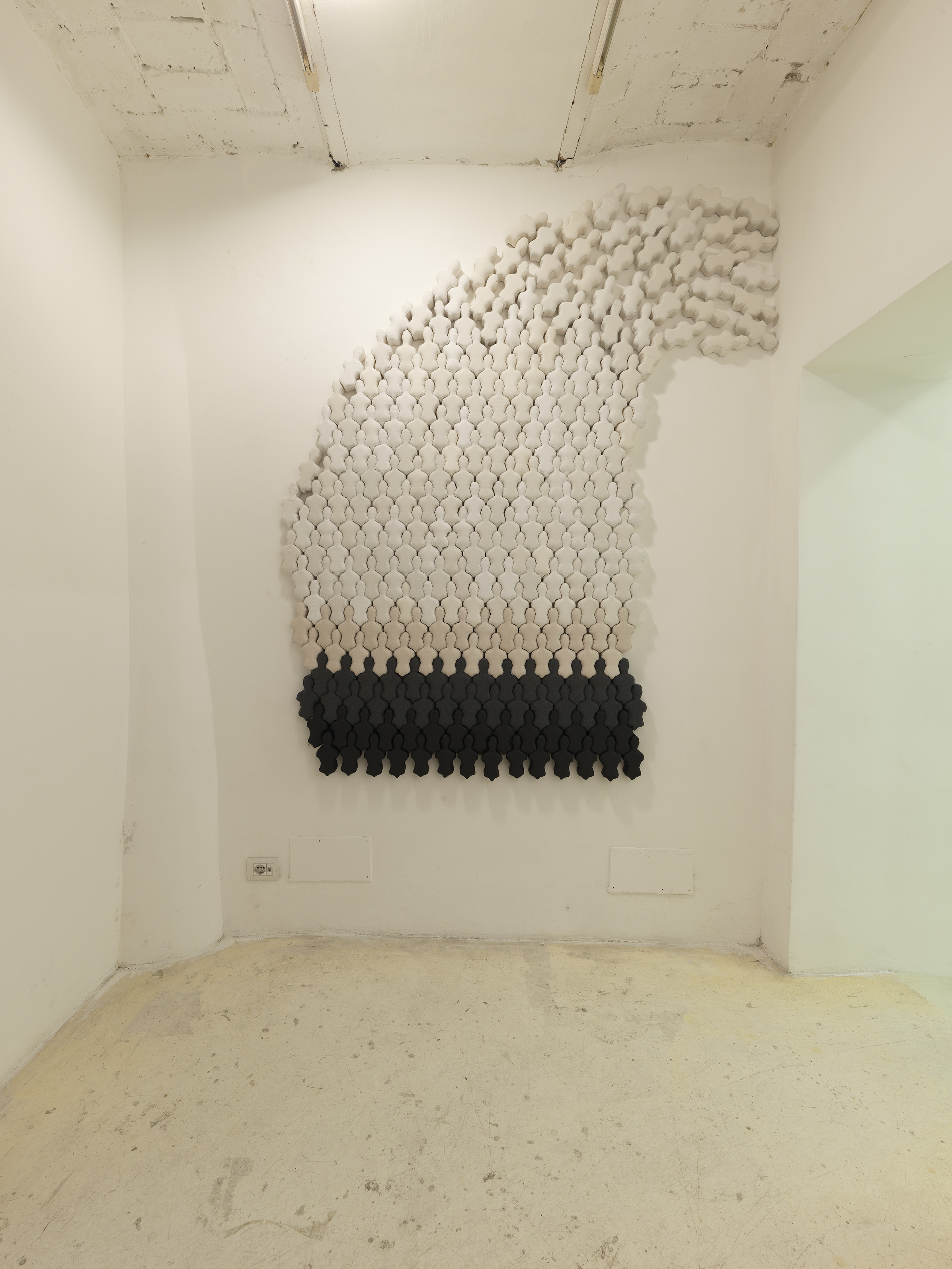
society and by its sad passions. For the brain to breathe, it needs to be able to be mobile, open to vision and thought, in movement, just like the many small human silhouettes that compose the work ‘Matrice’ [Matrix]. They can refer to the many faceless little figures of Facebook that over the years we have filled with our images, renouncing forever the mystery and intrigue of anonymity and waiting, but they can also generate ‘distinction’ in the indistinct and serial homologation of the proliferation of the same images, until breaking the perfect interlockings, until falling or exodusing. Unless one decides to remain caged, like little puppets, in a claustrophobic and breathless display case.
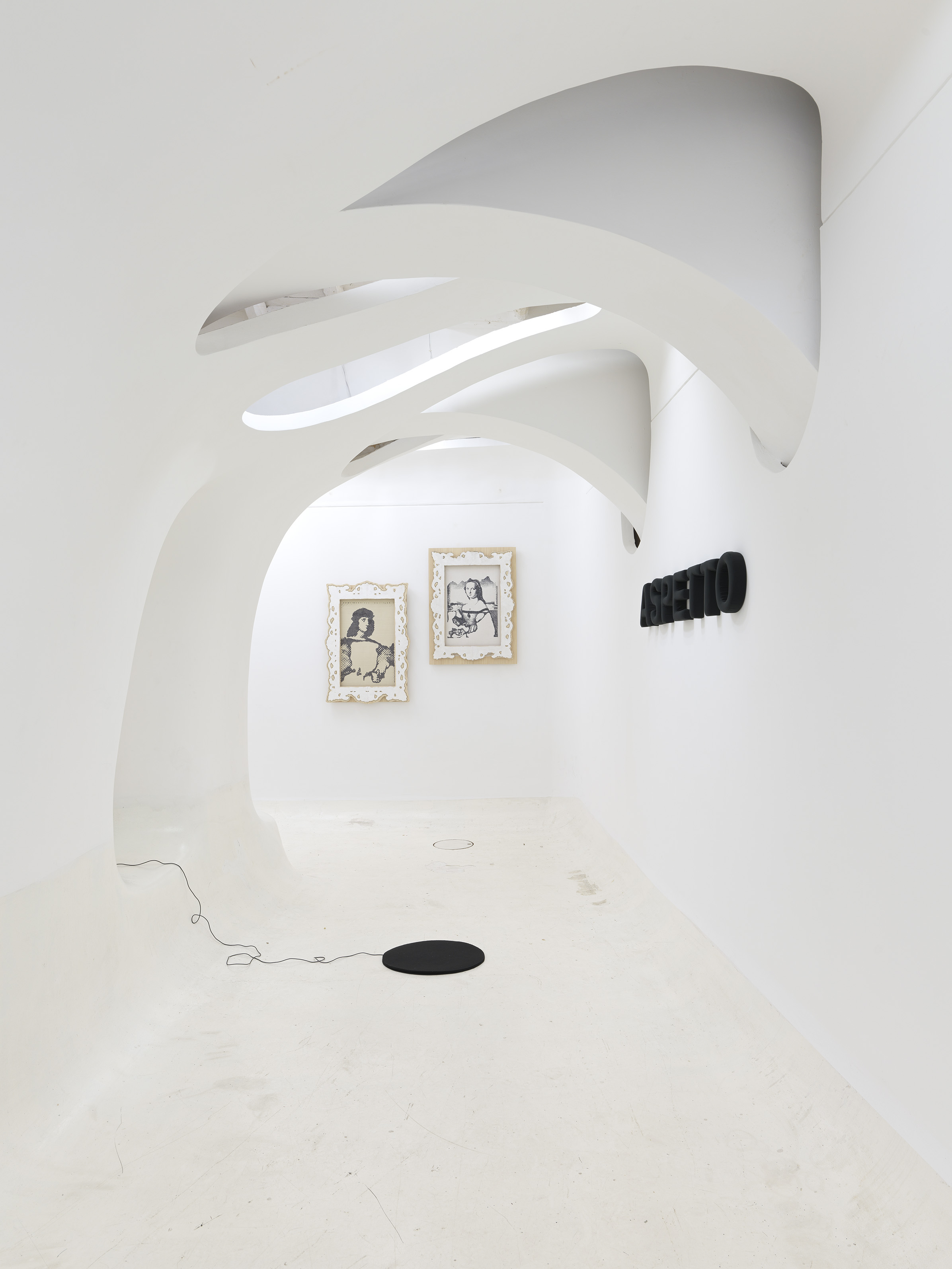
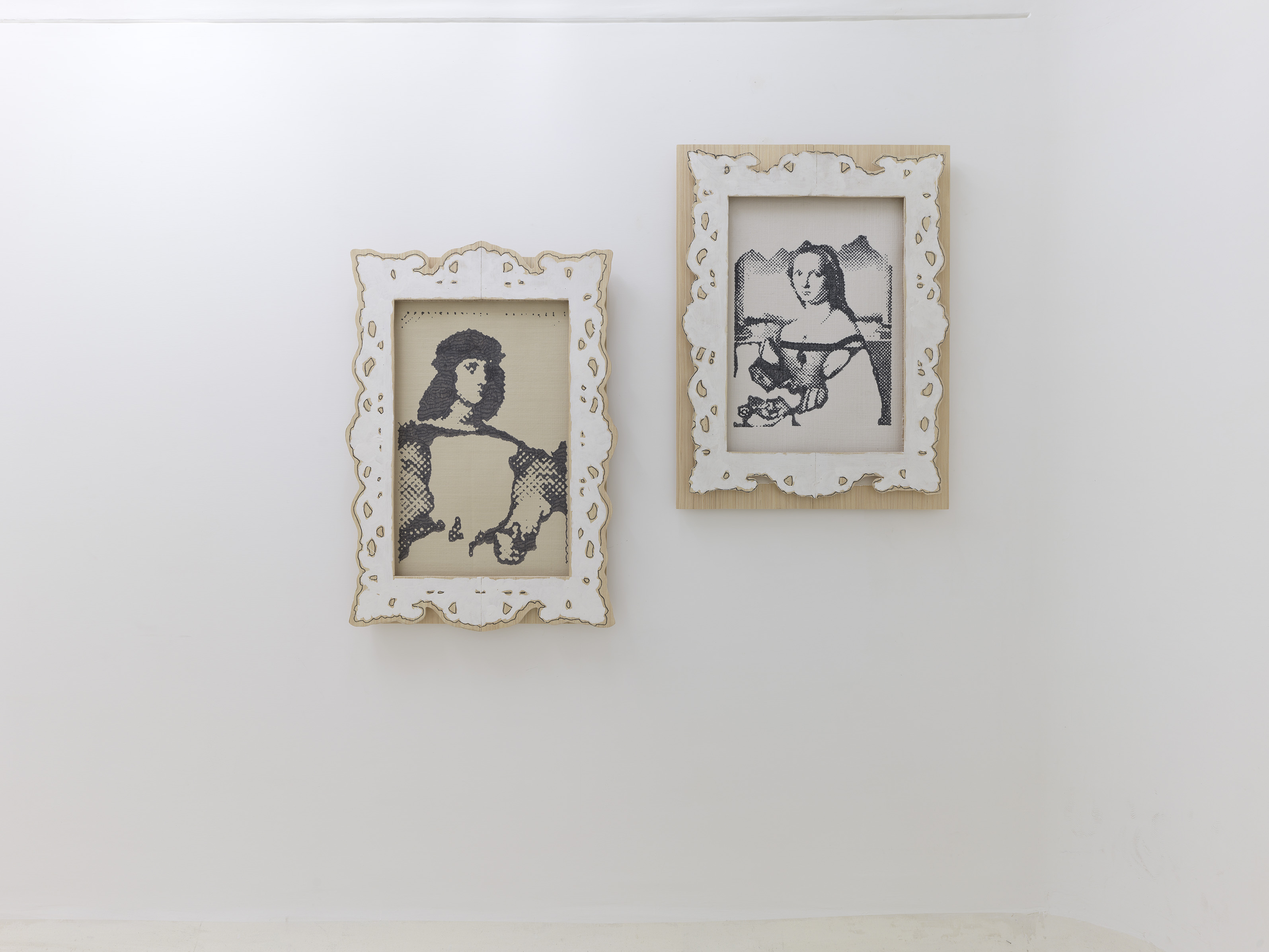
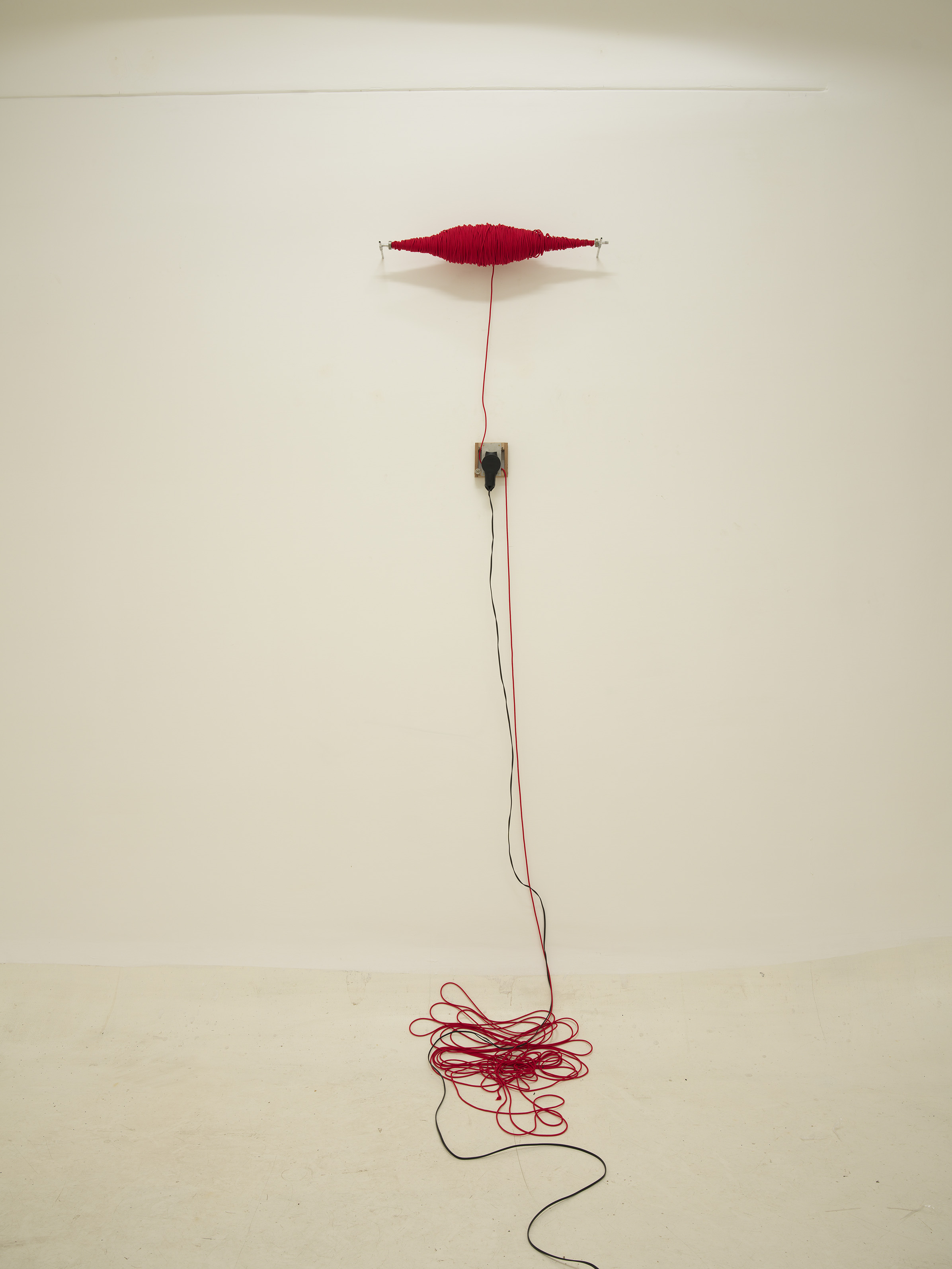
Again, Marco Bernardi’s non-hourglass and small machine for rewinding the threads of time tell us how much the becoming of things is not so linear, because it too is made of snags, losses and gaps that mark accelerations, but also lingerings, suspended times that distance us from the habitual sounds that punctuate our daily lives. And finally, the Raphaelesque icons that in this exhibition become a pop assemblage of dots and empty spaces. Imperfect, therefore impossible to reproduce on that serial multitude of gadgets that proliferate in souvenir shops. And then again, eyes, hearts, and brains vacuum-sealed in a world that—as Carmelo Bene said—seems increasingly to resemble a ‘plebiscite against good taste’.
In short, this “egonoclastic”, and tragically contemporary, exhibit from Marco Bernardi invites us, as his other exhibitions have done, to reflect on the present time, on the automatisms of our gaze and psyche, on the alienation created by the hyper-proliferation of stereotyped images in digital societies, on time and, more generally, on our very condition as living species. Above all, he urges us to do something liberating, individually and collectively, a small ritual of great importance: to break down all the boundaries and frameworks through which we define ourselves and others. “Give me the possible, or I’ll suffocate,” wrote Gilles Deleuze. A bit of healthy and irreverent visual poetry from Marco Bernardi, we might add, so that we can say to ourselves and to the world, with ironic and tragic precision: “I deny the Ego, therefore I am! I deny the Ego, therefore we are!”
Works on display
Amigdala, 2026, fabric, felt-tip pen, adhesive tape, felt-tip pen, wood, metal, wheels.
S-macchie, 2026, paper, black paint.
Snodatore, 2026, red cord, electric motor, wood, metal.
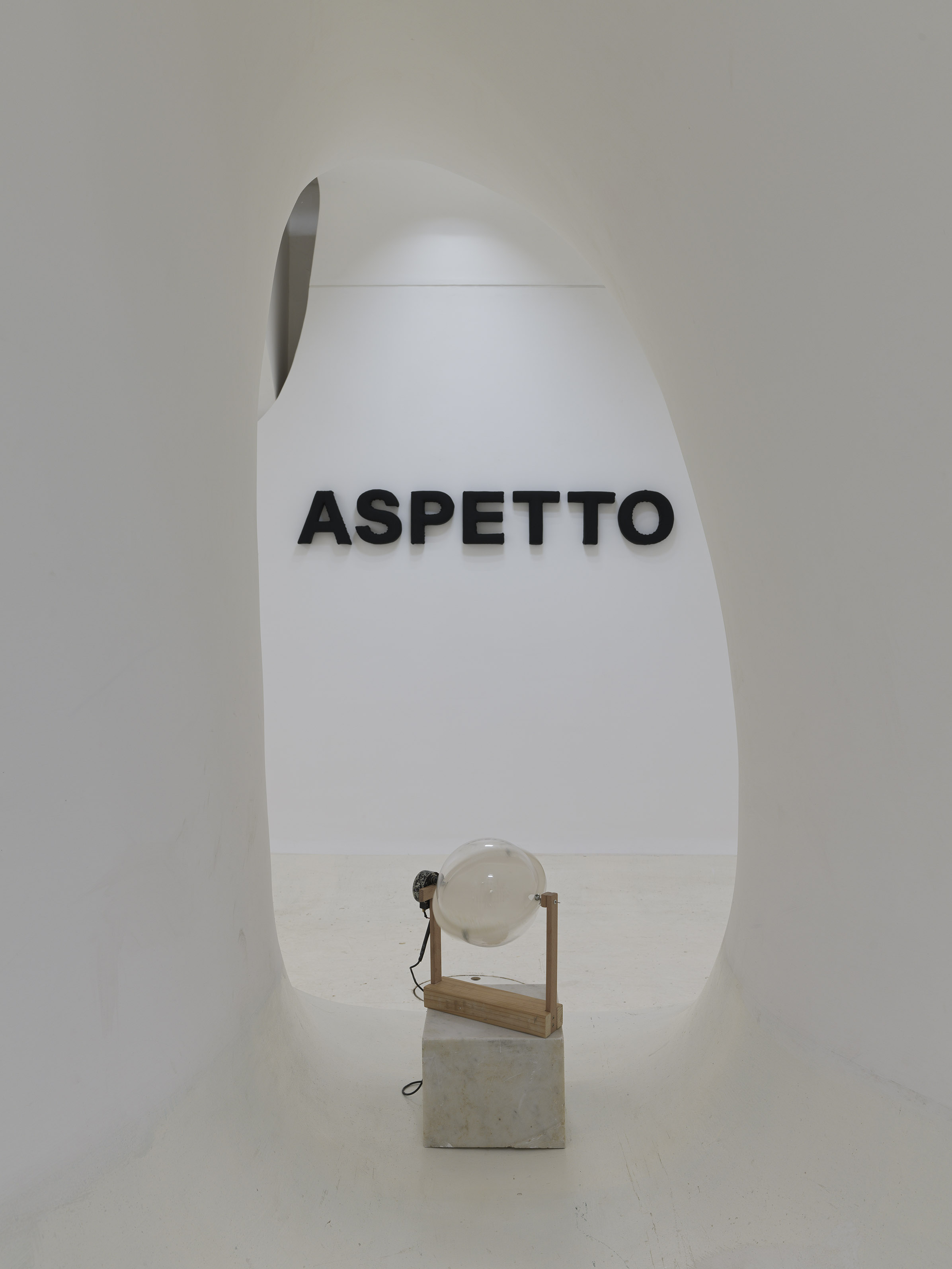
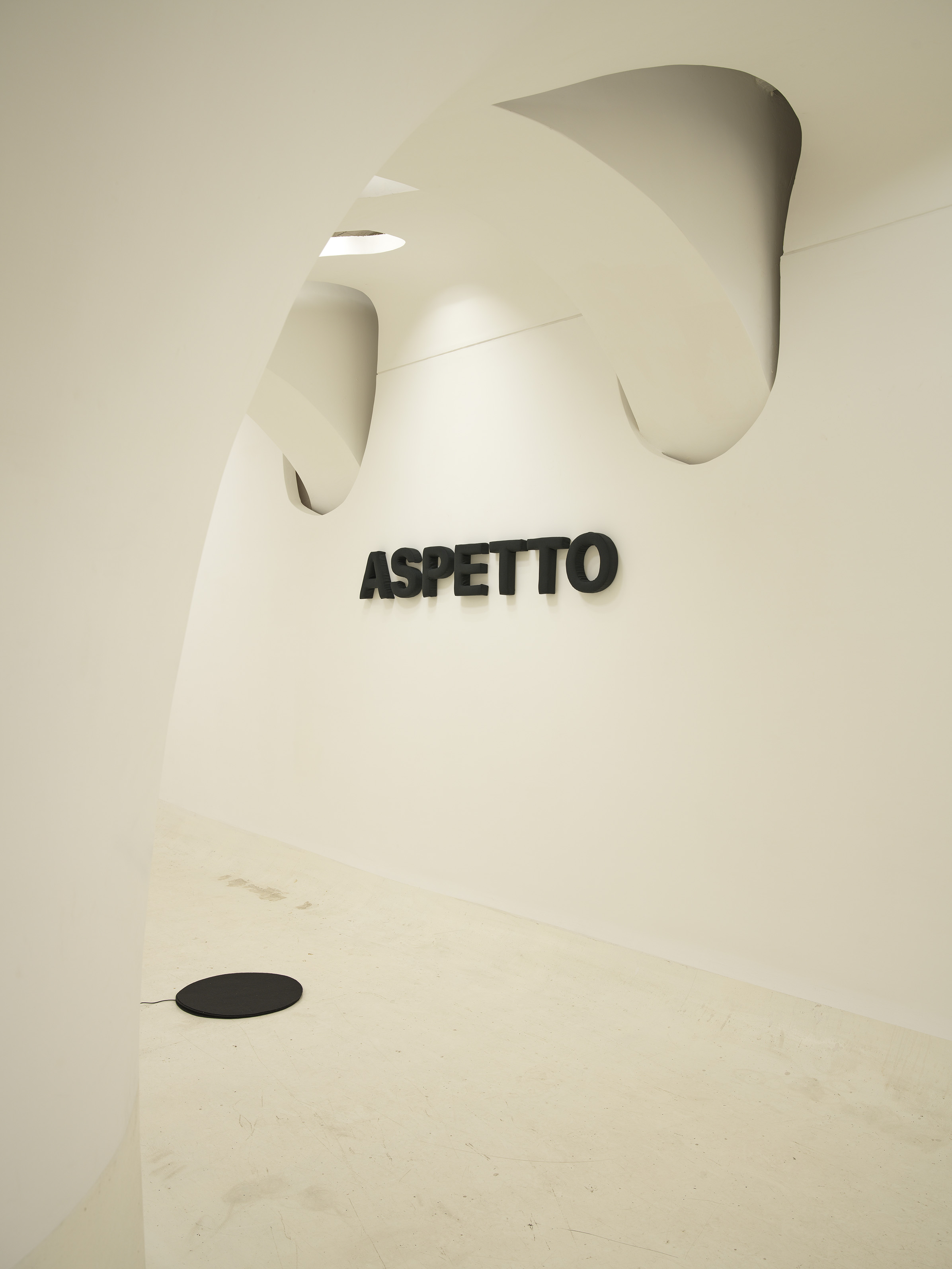
Aspetto, 2026, fabric, foam rubber, wood.
Broken Hourglass, 2026, paper, plexiglass, wood, plastic, metal.
Portrait of a Man, 2026, fabric, marker pen, wood, paint.
Portrait of a Woman, 2026, fabric, marker pen, wood, paint.
Matrices, 2026, fabric, metal, wood.
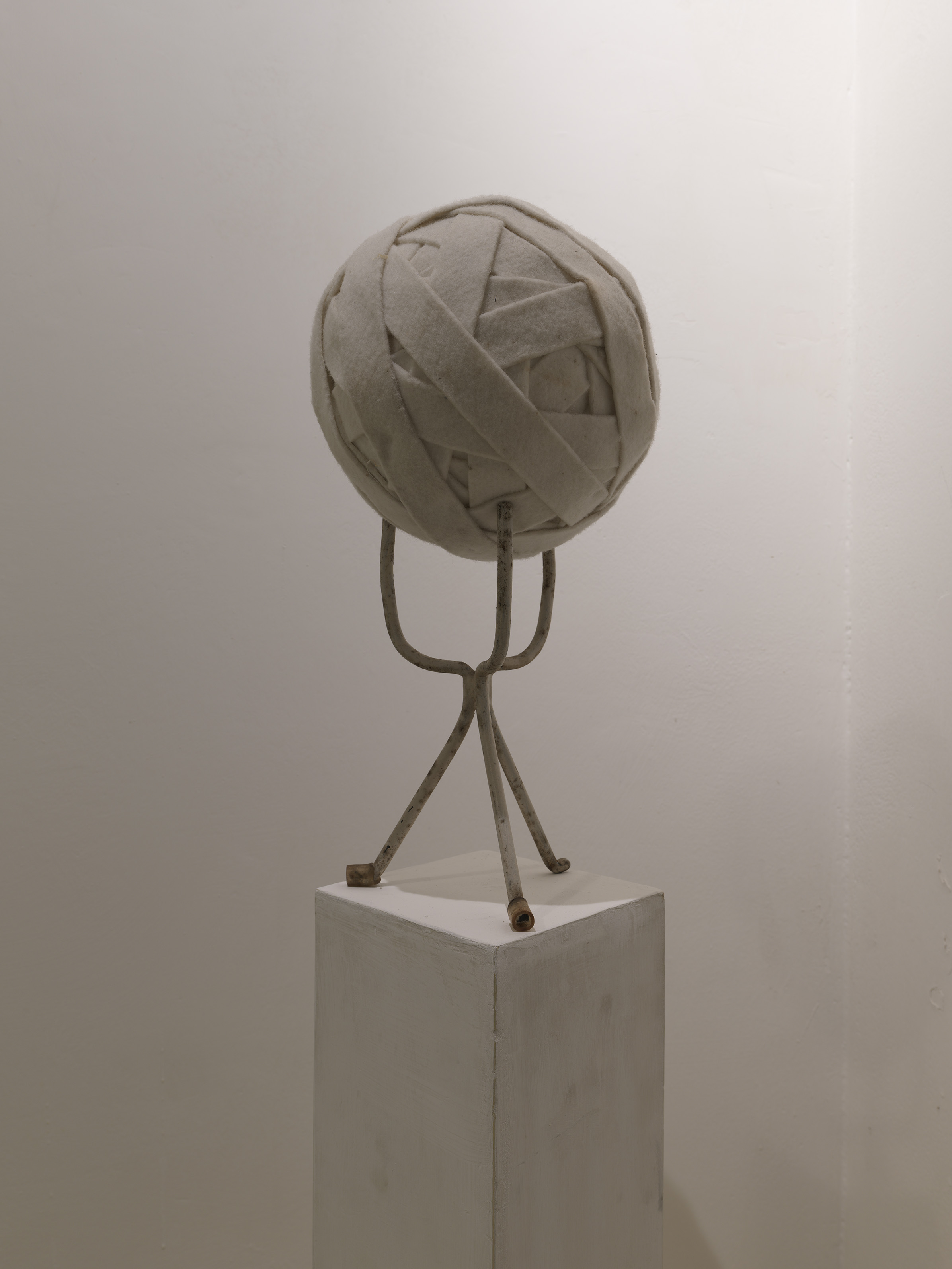
Venus, 2025, felt, metal, rubber.
Spare Eyes, 2025, resin, glass and metal.
Heart with Nail, 2025, resin, glass, metal.
Small female head, 2025, resin, glass, metal.
Armoured puppet, 2025, fabric, cotton, metal, 37x14x5 cm.
S-spots, 2026, paint on paper, 37×50 cm.